
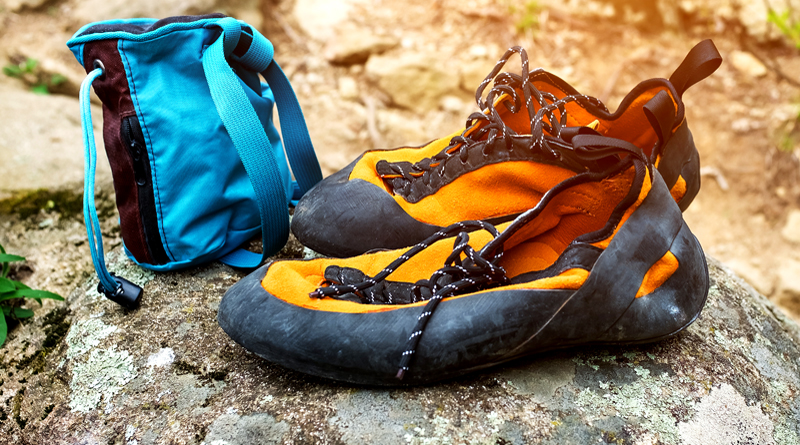
Choose the Right Climbing Shoes
Are Your Climbing Shoes Wrong?
Find the Best Climbing Shoes for Comfort, Safety, and Better Performance
Are you wondering how to choose the right climbing shoes?
That is a smart question. Your climbing shoes are one of the most important pieces of gear you will ever buy. They help your feet grip the wall, stand on small holds, press into cracks, and move with control.
But here is the problem.
Walk into a climbing store or search online, and you will see dozens of choices. Neutral shoes. Moderate shoes. Aggressive shoes. Lace shoes. Velcro shoes. Leather shoes. Synthetic shoes. Beginner shoes. Bouldering shoes. Trad climbing shoes.
It can get confusing fast.
So how do you know which pair is right for you?
The best climbing shoes are not always the most expensive ones. They are not always the tightest ones either. The best climbing shoes are the ones that match your climbing style, your skill level, your foot shape, and your comfort needs.
Let’s make this simple.
Why Do Climbing Shoes Matter So Much?
Have you ever tried to stand on a tiny rock edge and felt your foot slip?
That is where climbing shoes make a big difference.
Good climbing shoes help you place power through your toes. They help you grip small footholds. They let you smear against the wall when there is no clear edge. They help you feel the rock or gym wall under your feet.
The wrong shoes can do the opposite.
They can hurt your toes. They can make your feet tired. They can slip off holds. They can make you less confident. And if your shoes hurt too much, you may stop climbing before you really get better.
So the real goal is simple.
You want climbing shoes that feel snug, secure, and useful without causing real pain.
What Is the First Question You Should Ask?
Before you buy climbing shoes, ask yourself this:
What kind of climbing will I do most?
This matters because different climbing styles need different shoes.
A beginner in a climbing gym does not need the same shoe as an advanced boulderer on steep overhangs. A trad climber spending all day on a long route does not need the same shoe as someone trying hard indoor boulder problems for ten minutes at a time.
Your climbing style should guide your choice.
Are Neutral Climbing Shoes Best for Beginners?
For most new climbers, yes.
Neutral climbing shoes are usually the best choice for beginners. They have a flatter shape, a more relaxed fit, and better comfort. Your toes may be slightly curled, but they should not feel crushed.
Why does this matter?
When you are new to climbing, you are still learning footwork. You are learning how to stand, balance, smear, edge, and move your body. Painful shoes will not help you learn faster. They may distract you and make climbing less fun.
Neutral shoes are also good for long gym sessions, long outdoor routes, crack climbing, and all-day comfort.
Choose neutral climbing shoes if you are new to climbing, climb easier routes, climb long routes, or want comfort first.
When Should You Choose Moderate Climbing Shoes?
Moderate climbing shoes are the middle ground.
They are slightly curved or downturned. This shape gives you more power through your toes than a neutral shoe, but they are still more comfortable than aggressive shoes.
Are you moving past beginner routes?
Are you climbing steeper walls?
Are you starting to need better control on small footholds?
Then moderate climbing shoes may be a smart next step.
Moderate shoes work well for sport climbing, gym climbing, outdoor climbing, and some bouldering. They are a good choice for climbers who want better performance without giving up too much comfort.
Choose moderate climbing shoes if you want one shoe that can do many things well.
Are Aggressive Climbing Shoes Worth It?
Aggressive climbing shoes can be powerful, but they are not for everyone.
These shoes have a strong downturned shape. They bend the toes forward and focus power over the big toe. This helps on steep walls, overhangs, tiny footholds, and hard bouldering problems.
But here is the catch.
Aggressive shoes are usually less comfortable. Many climbers take them off between climbs. They are built for performance, not all-day wear.
So, should you buy aggressive climbing shoes?
Ask yourself this:
Am I climbing steep, technical routes where foot precision matters more than comfort?
If the answer is yes, aggressive shoes may help. If the answer is no, you may be happier in neutral or moderate shoes.
Choose aggressive shoes if you are an advanced climber, a serious boulderer, or a sport climber working steep routes.
How Should Climbing Shoes Fit?
This is one of the most important parts of choosing climbing shoes.
Your climbing shoes should fit snugly. Your foot should not slide around inside the shoe. Your toes should reach the front. Your heel should stay in place. The shoe should feel secure when you stand on your toes.
But snug does not mean torture.
A good climbing shoe should not cause sharp pain. It should not make your feet go numb. It should not crush your toes so badly that you cannot focus. It should not feel like an injury waiting to happen.
Here is a simple rule:
Your climbing shoes should feel tight enough to climb well, but comfortable enough that you still want to climb.
For beginners, comfort matters more than extreme tightness.
Should You Size Down in Climbing Shoes?
Maybe, but be careful.
Some climbing shoe brands run close to street shoe size. Others are often worn smaller. Some leather shoes stretch after use. Some synthetic shoes do not stretch much at all.
That means there is no perfect size rule for every brand.
Instead of asking, “What size should I buy?” ask this:
How does this exact shoe fit my foot?
Try on more than one size. Try more than one brand. Stand on your toes. Press the front of the shoe into the floor like you are standing on a foothold. Check the heel. Check the toe box. Walk around a little.
If the shoe feels painfully tight in the store, it may not magically become perfect later.
Leather may stretch, but synthetic shoes usually hold their shape more. Keep that in mind before buying a painful pair.
Are Lace-Up Climbing Shoes Better?
Lace-up climbing shoes give the most adjustable fit.
You can loosen them when your feet swell. You can tighten them for a harder climb. You can fine-tune the fit across the whole foot.
This makes lace-up shoes a great choice for long routes, outdoor climbing, trad climbing, and climbers with narrow or unusual foot shapes.
The downside?
They take longer to put on and take off.
So ask yourself:
Do I want the most precise fit, or do I want fast on-and-off convenience?
Choose lace-up climbing shoes if fit control is your top priority.
Are Velcro Climbing Shoes Better for Gym Climbing?
Velcro climbing shoes are very popular with gym climbers and boulderers.
Why?
They are fast.
You can put them on quickly. You can pull them off between climbs. You can adjust them without dealing with laces.
This makes them great for indoor climbing, bouldering, and short sport routes.
The downside is that Velcro may not give the same exact fit as laces. Some Velcro shoes also have more bulk on top of the foot, which may matter for certain crack climbs.
Choose Velcro climbing shoes if you want speed, ease, and convenience.
Should You Buy Slip-On Climbing Shoes?
Slip-on climbing shoes are simple, soft, and low-profile.
They do not have laces or straps. They rely on elastic and a close fit. Some climbers love them for training because they help build foot strength and improve foot sensitivity.
They can also work well for crack climbing because the top of the shoe is smooth and low.
But slip-ons must fit well. If they are too loose, they may slip at the heel. If they are too tight, they may be uncomfortable.
Choose slip-on climbing shoes if you want a simple shoe, good sensitivity, or a low-profile design.
Is Leather or Synthetic Better?
Both can work well. The best choice depends on what you want.
Leather climbing shoes often stretch more over time. They can mold to your foot and become more comfortable after they break in. Many climbers like leather because it feels natural and breathable.
But leather shoes may change size and shape as they stretch.
Synthetic climbing shoes usually stretch less. They tend to keep their shape longer. This can be helpful if you want the shoe to fit about the same after many climbing sessions.
But synthetic shoes may not breathe as well, and they may not mold to your foot as much.
So ask this:
Do I want a shoe that may stretch and shape to my foot, or do I want a shoe that keeps a more consistent fit?
Choose leather for comfort and stretch. Choose synthetic for shape control and consistency.
What Is a Climbing Shoe Last?
The “last” is the shape the shoe is built around.
This affects how the shoe feels and performs.
A straight or flat last gives a more relaxed fit. It is common in beginner shoes and all-day climbing shoes.
An asymmetric last curves the shoe toward the big toe. This helps focus power for precise foot placements.
A downturned last points the toes downward. This helps on steep routes and overhangs because it pulls power into the front of the shoe.
Does every climber need a downturned shoe?
No.
If you are just starting, a flatter shoe is usually better. If you are climbing harder, steeper routes, a more downturned shoe may help.
What Climbing Shoes Are Best for Indoor Climbing?
For indoor climbing, most beginners do well with neutral or moderate shoes.
Indoor gym routes often include large holds, volumes, slabs, vertical walls, and some overhangs. You need comfort, grip, and control.
If you are bouldering indoors, Velcro shoes can be very handy because you can remove them between attempts.
If you are new, do not rush into painful, aggressive shoes. Start with comfort and build your skill.
A good indoor climbing shoe should be snug, easy to use, and durable enough for repeated gym sessions.
What Climbing Shoes Are Best for Bouldering?
Bouldering often involves short, powerful climbs.
You may need to stand on tiny footholds, pull with your toes, hook with your heels, and press your toes against steep walls.
For this reason, many boulderers like moderate or aggressive shoes. They often prefer Velcro closures because they can take the shoes off between problems.
But beginners can still boulder in neutral shoes.
You do not need advanced shoes on your first day. Better footwork matters more than buying the most aggressive shoe in the store.
What Climbing Shoes Are Best for Sport Climbing?
Sport climbing can include vertical routes, steep walls, overhangs, and technical footwork.
For easier sport climbs, neutral or moderate shoes may work well. For harder sport routes, many climbers prefer moderate or aggressive shoes because they provide more toe power.
If you climb short, hard routes, performance may matter more. If you climb longer routes, comfort becomes more important.
The best sport climbing shoe depends on the route.
Ask yourself:
Will I be standing in these shoes for a long time, or will I use them for short, hard climbs?
Your answer will help you choose.
What Climbing Shoes Are Best for Trad Climbing?
Trad climbing often means longer routes, cracks, and more time on the wall.
For this style, comfort matters a lot.
Many trad climbers prefer flatter shoes, lace-up closures, and stiffer soles. A lace-up shoe can be adjusted during a long day. A flatter shoe can be more comfortable over many pitches. A low-profile toe can help in cracks.
Aggressive shoes may be useful on some technical routes, but they are often not the best choice for long trad climbs.
Choose comfort, support, and fit before extreme performance.
Should Beginners Rent Before Buying?
Yes, renting can be a smart move.
If your climbing gym has rental shoes, use them for your first few sessions. This gives you time to learn what climbing shoes feel like. You can also see what you like and dislike before spending money.
But rental shoes are not perfect.
They may be stretched out. They may not fit your foot well. They may not perform as well as your own pair.
Once you know you enjoy climbing, buying your own shoes is usually worth it. Your own shoes will fit better, feel cleaner, and help you climb with more confidence.
What Mistakes Should You Avoid?
The biggest mistake is buying shoes that are too painful.
Some climbers think pain means performance. That is not always true. If your shoes hurt so much that you cannot focus, they are hurting your climbing.
Another mistake is buying shoes that are too advanced too soon.
Aggressive shoes look serious, but that does not mean they are the right choice for a beginner.
A third mistake is buying without trying different brands.
Every brand fits differently. Every model feels different. Your foot shape matters. A shoe that works for your friend may feel terrible on you.
Take your time. Try several pairs. Trust your feet.
How Do You Choose the Right Climbing Shoes Step by Step?
Start with your climbing style.
Are you mostly climbing indoors? Bouldering? Sport climbing? Trad climbing? Long outdoor routes?
Next, choose the shoe type.
Pick neutral shoes for comfort and learning. Pick moderate shoes for a balance of comfort and performance. Pick aggressive shoes for steep, technical climbing.
Then choose the closure.
Pick laces for adjustability. Pick Velcro for speed. Pick slip-ons for simplicity and sensitivity.
After that, choose the material.
Pick leather if you want more stretch and a foot-shaped fit over time. Pick synthetic if you want less stretch and a more consistent fit.
Finally, test the fit.
Your shoes should be snug, secure, and useful. They should not cause sharp pain or numbness.
So, What Is the Best Climbing Shoe for You?
The best climbing shoe is the one that helps you climb better while still letting you enjoy the climb.
If you are a beginner, start with a neutral shoe that feels comfortable and secure.
If you are improving and climbing harder routes, consider a moderate shoe.
If you are working steep boulders, overhangs, and technical sport routes, an aggressive shoe may help.
But remember this:
Your climbing shoes should serve your climbing. They should not punish your feet for no reason.
Final Answer: How Do I Choose the Right Climbing Shoes?
Choose climbing shoes based on your climbing style, skill level, foot shape, and comfort needs.
For beginners, neutral climbing shoes are usually the best choice. They are comfortable, easier to wear, and great for learning footwork.
For intermediate climbers, moderate climbing shoes offer better performance while still giving some comfort.
For advanced climbers, aggressive climbing shoes can provide the power and precision needed for steep routes and hard bouldering.
Look for a snug fit, but avoid sharp pain. Try on several brands. Think about closure type. Consider leather versus synthetic materials. Most of all, choose shoes that make you feel confident on the wall.
The right climbing shoes can help you climb longer, move better, and enjoy every route more.
So before your next climb, ask yourself one simple question:
Do my shoes help me climb, or do they hold me back?
If they help you climb with comfort, control, and confidence, you have found the right pair.
Happy climbing!